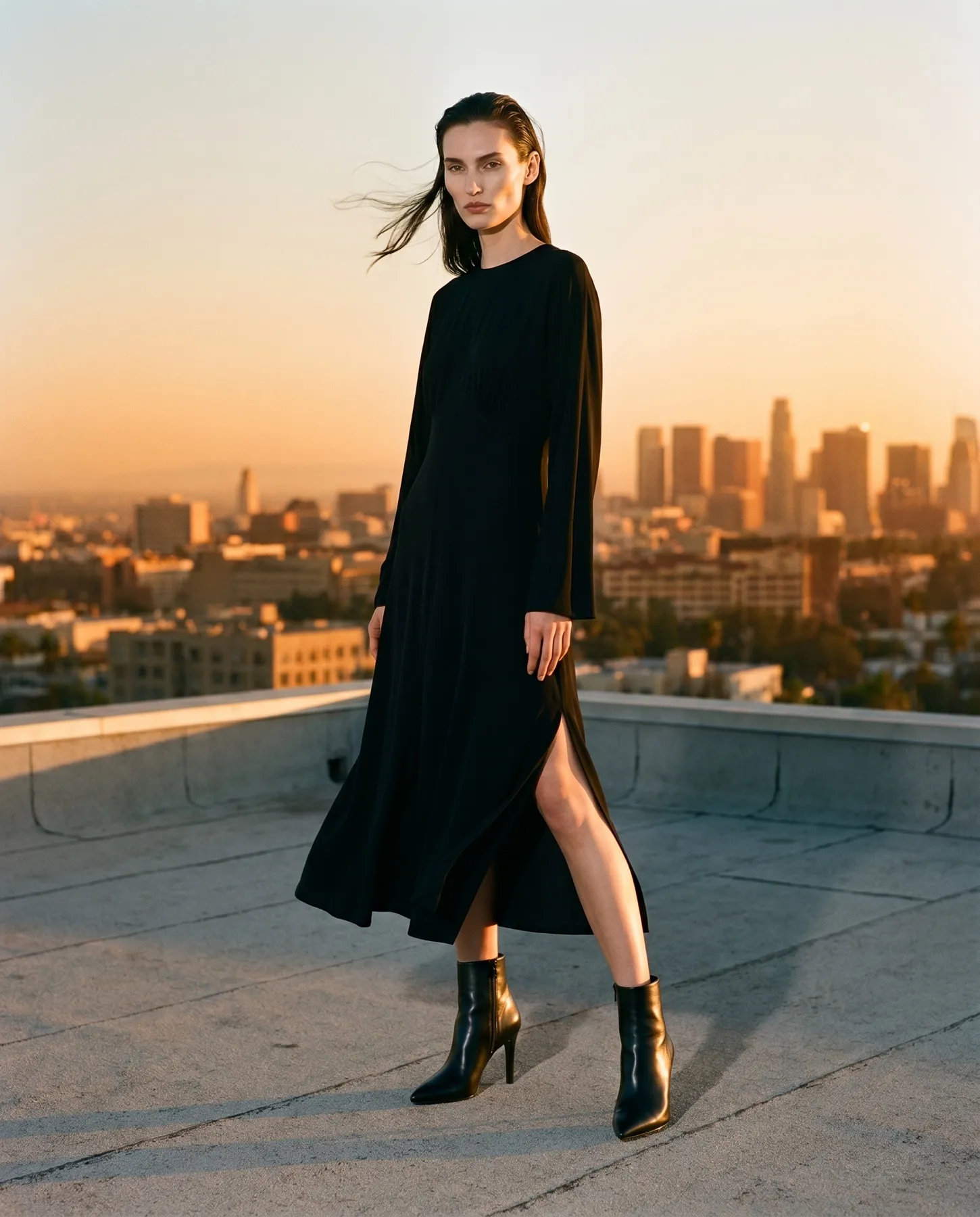
Why Magnific upscaling gives AI images print-grade quality
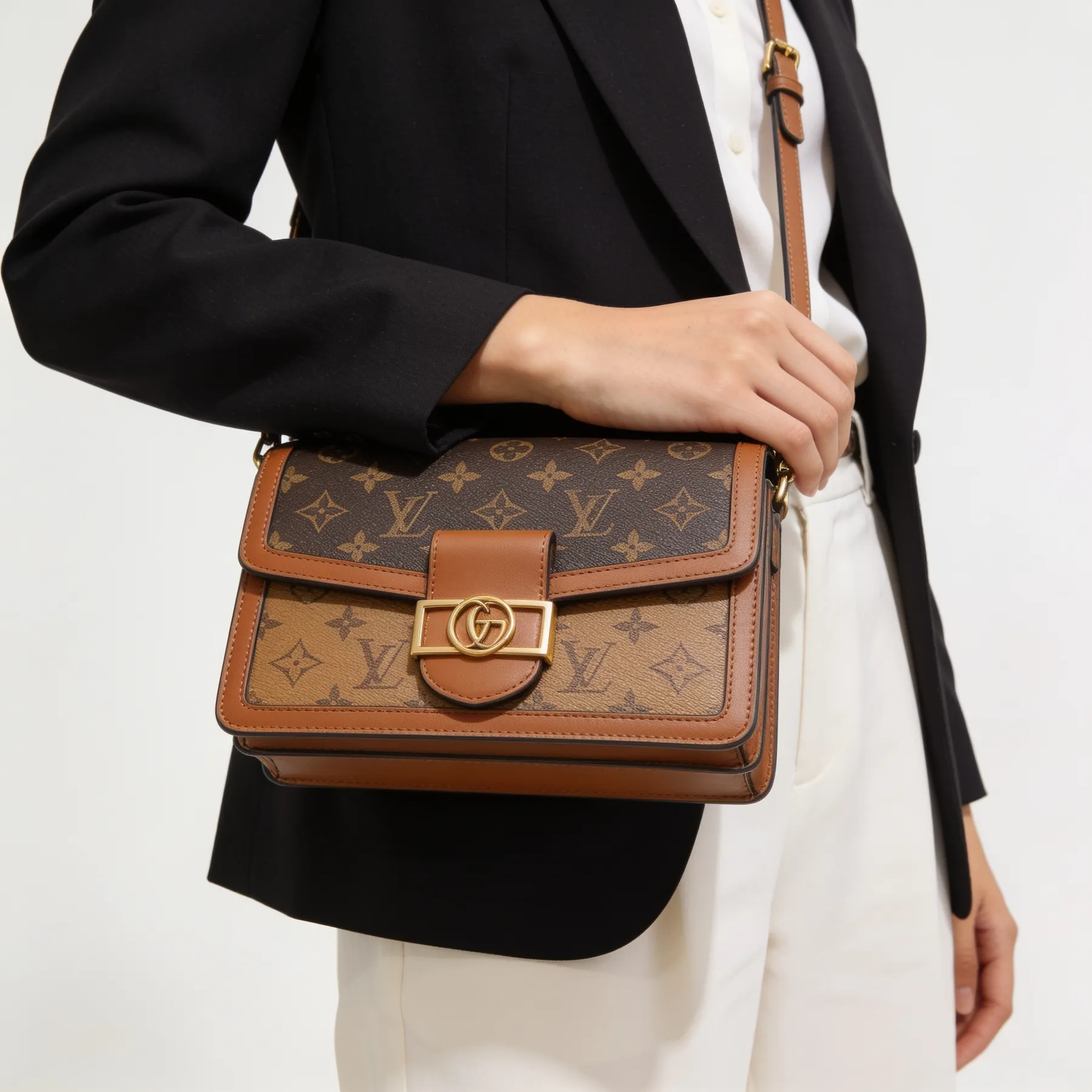
Most AI images fall apart the moment you look closely. On a phone screen they pass. Blow them up to a billboard, a packaging panel, or a full-page spread, and the cracks show: soft edges, plastic skin, fabric with no weave, a logo that melts under inspection. The image looked finished. It wasn’t.
The gap between “looks AI” and “ready to print” is almost never the prompt. It’s the finishing step — the upscaling and detail work that happens after generation. This is the part most people skip, and it’s the part I refuse to. As an official Magnific partner, finishing is where I spend the most care, because it’s the difference between an image you post once and an image your brand can actually run.
Raw AI output has a ceiling
Generative models are brilliant at composition, lighting, and mood. They are weak at native resolution. Most raw output lands somewhere around one to two megapixels — fine for a feed, nowhere near enough for print.
Print is a different unit of measurement. Screens forgive at 72 PPI. Press wants 300 PPI at final size. A campaign image that needs to be 30 centimeters wide at 300 PPI requires roughly 3,500 pixels across. Raw generation rarely gives you half of that.
So people stretch the file. Stretching adds pixels but no information — you get a bigger, blurrier version of the same limitation. The model’s ceiling becomes your ceiling. That’s where most AI workflows quietly stop, and it’s exactly why so much AI imagery never makes it past social.
What great upscaling adds
Real upscaling doesn’t just enlarge. It reconstructs. Done properly, it adds plausible detail that was never in the original file — and that’s the whole point.
On skin, it brings back pores, fine lines, and the subtle texture that separates a photograph from a render. On fabric, it rebuilds the weave: the grain of denim, the nap of wool, the sheen of silk catching light. On product, it sharpens material truth — brushed metal reads as metal, leather grain looks like leather, stitching stays crisp instead of smearing.
It also cleans up edges. Hairlines, garment seams, and the boundary between a product and its background get clarity instead of that soft AI halo. The result holds together at any size. You can crop in, scale up, and put it under studio lighting in print, and it keeps its integrity. That is what turns a generated image into a usable asset.
Screen is easy, print is honest
Screen flatters. Backlight, small size, and motion hide a lot of sins. You can ship a mediocre image to a feed and it scrolls past before anyone notices.
Print is honest. Ink on paper at full size shows everything — every soft edge, every artifact, every flat texture. A billboard magnifies your file by orders of magnitude. Packaging sits in someone’s hand at reading distance. There is no scroll, no backlight, no mercy.
This is why I treat print as the real test. If an image survives print, it survives anywhere. If it only survives screen, you don’t have a campaign asset — you have a placeholder. Building for the harder medium means everything downstream gets easier, and your brand never has to apologize for the resolution.
Why a Magnific partner matters
Magnific is the world leader in AI image enhancement, and the tool is powerful precisely because it makes real decisions about detail. That power cuts both ways. Push it too hard and you get hallucinated texture, over-sharpened skin, or detail that fights the original intent. Push it too softly and you’ve gained nothing.
The craft is in calibration — knowing how much to add, where, and when to stop, so the enhancement serves the image instead of overriding it. As an official partner, I work with the tool at that level daily, across fashion and product, screen and print. That experience is the difference between an upscale that looks engineered and one that looks shot.
It’s also why I can deliver major-production quality in days, with up to 70 percent less production time and up to 90 percent savings — finishing is fast when you know exactly what each image needs.
Make it print-grade
If your AI imagery looks great on a phone but you’re nervous about a billboard, a box, or a full page, the problem is almost certainly the finishing step — and it’s fixable. The composition you already have can become a print-grade asset with the right upscaling and detail work, without reshooting anything.
That’s the part I specialize in, and the partnership is your assurance it’s done right. Bring me your concept or your raw output, and I’ll take it to a quality your brand can run anywhere. Let’s talk: get in touch.