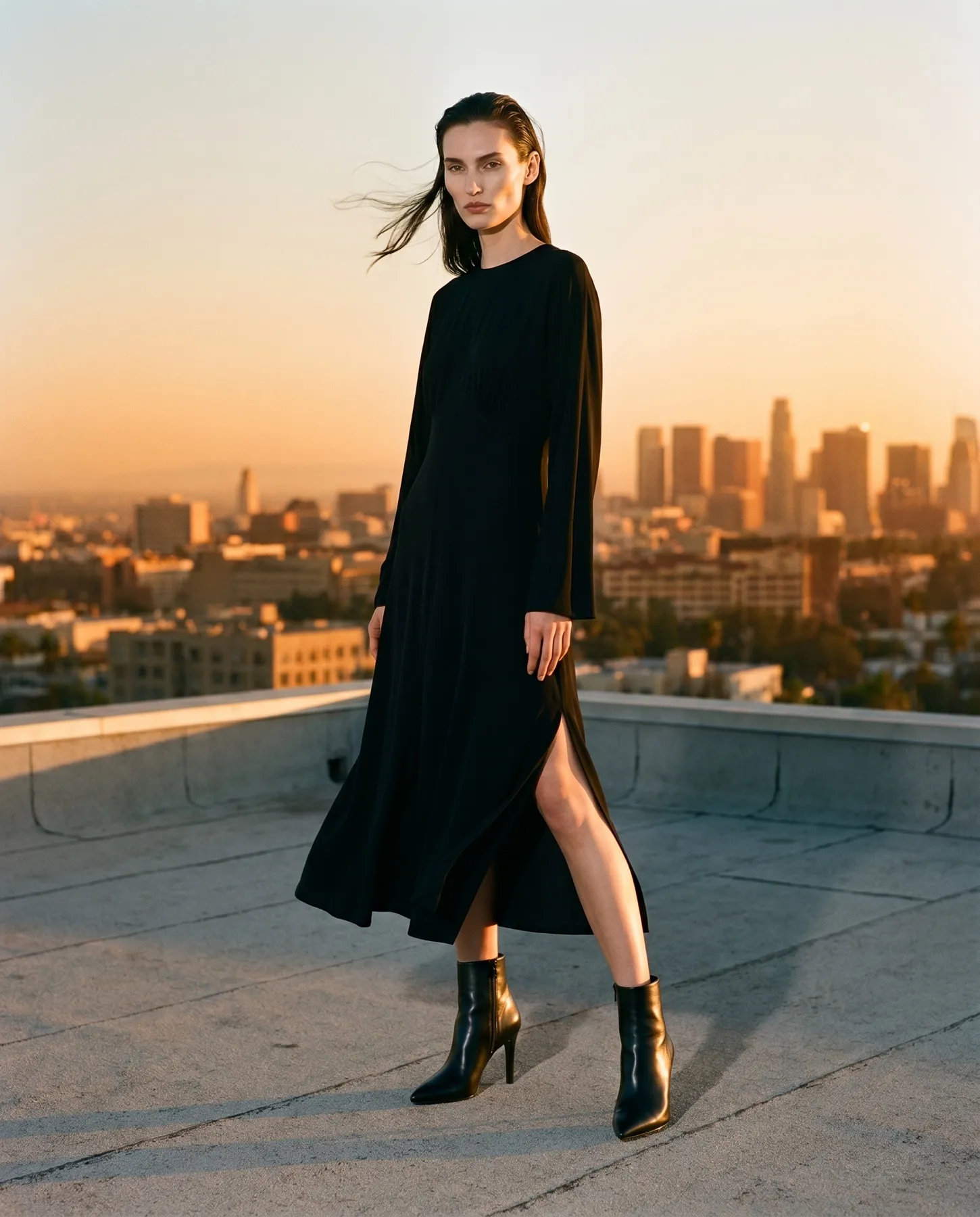
My workflow for an AI fashion campaign
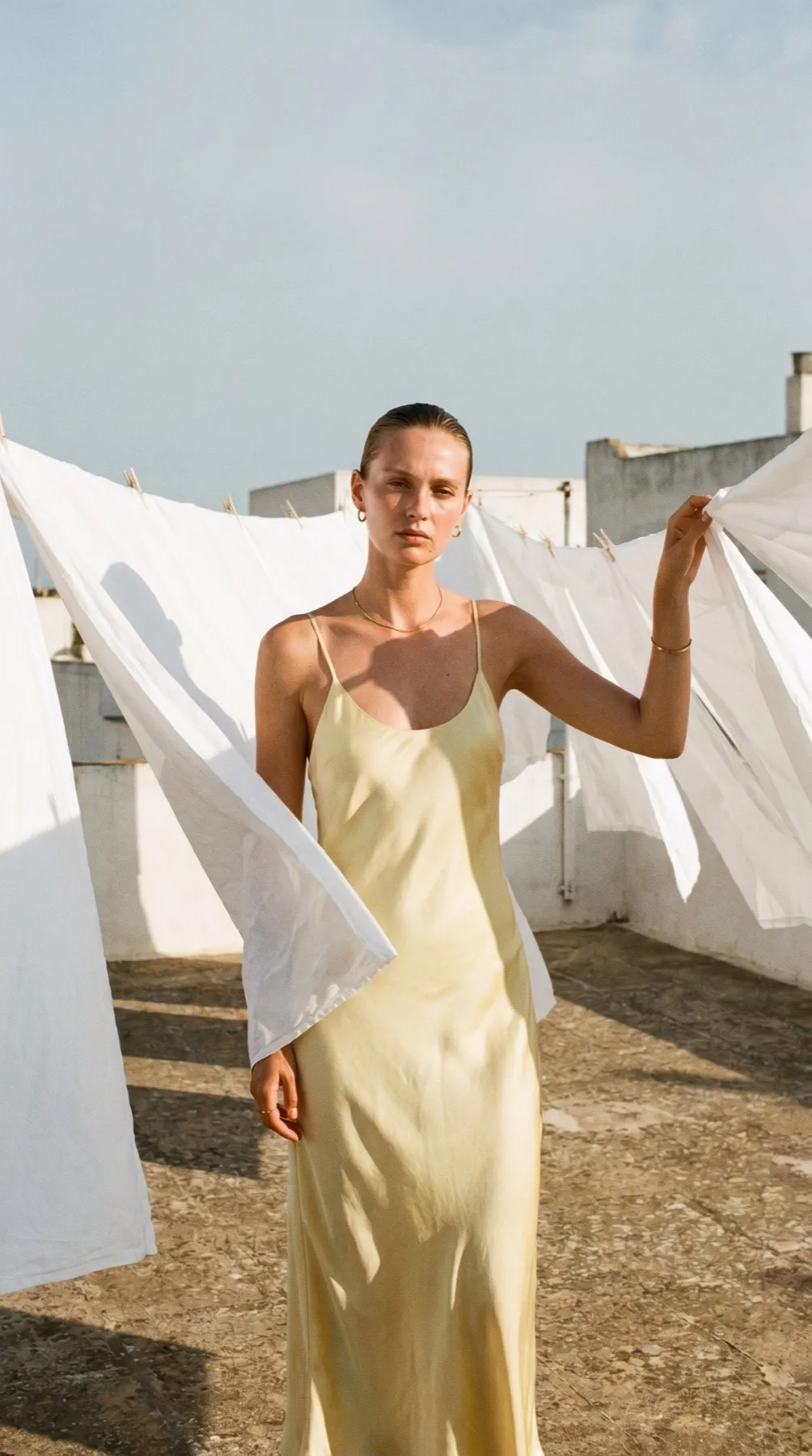
An AI fashion campaign is not asking a model for one pretty image and crossing your fingers. That approach gives you a folder of disconnected pictures: different faces, shifting light, fabrics that never quite match. A campaign is a system. At ArtiMindArt I run a repeatable process that takes a collection from a mood in your head to a finished set of images your brand can actually publish, in days rather than weeks. Done this way, AI cuts production time by up to 70% and delivers up to 90% savings without looking cheap. Here is exactly how I work, step by step, so you can see what you are paying for and why the result holds together.
1. Art direction first
Before I generate a single frame, I lock the direction. Palette, lighting, lens and framing, mood, the world the clothes live in. I gather references the way a photographer builds a deck: the quality of light I want, the tonal range, the energy of the casting. If your brand has a guideline, I work inside it; if it does not, I help you define one. This stage is not glamorous, but it is where 80% of the quality is decided. A vague brief produces vague images and endless rounds. A precise brief means the first generations are already close, so we iterate on taste, not on basics. Clear direction is the difference between five attempts and fifty.
2. Model and consistency
This is where most AI fashion work falls apart, and where I spend the most care. I lock a reference model so the same face, body and skin carry across every look. The casting feels deliberate, not randomly assembled. From there I build the full set around that identity: the same person, the same shoot, the same campaign DNA. Consistency is what turns a pile of loose renders into a catalog a buyer trusts. It is also what lets us scale, once the model and the world are fixed, adding a new look is fast and on-brand instead of a fresh gamble. This discipline is the single biggest reason AI campaigns succeed or look amateur.
3. Production and variations
With direction and model set, I produce each look at volume and quality. I check the details that betray AI when ignored: hands and fingers, fabric weave and drape, seams, jewelry, logos, reflections in glass and metal. Anything off gets corrected, not shipped. Then I cut every image into the formats your brand actually uses, full-bleed editorial, vertical for stories and reels, square for grid, clean product-page crops on neutral backgrounds. One concept becomes a complete, multi-format package ready for every channel. Producing variations from a locked system is roughly 5x faster than reshooting each format, and it keeps the campaign coherent across every placement instead of drifting from one platform to the next.
4. Finishing with Magnific
The final pass is where good becomes campaign. As an official Magnific partner, I upscale and enhance each chosen image to print and large-format resolution, recovering true texture in skin, hair and fabric without that plastic, over-processed look. Pores stay pores, weave stays weave. This is what lets the same image live on a phone screen and a billboard, hold up in a magazine spread, and survive a hard zoom on a product page. It is the step that separates work that looks “AI-ish” from work that looks expensively shot. Skipping it is the most common reason AI imagery feels off, so I never do.
The result
Following this flow, you get a coherent, premium campaign, consistent casting, controlled art direction, every format you need, finished at production quality, delivered in days and at a fraction of a traditional shoot. No studio booking, no travel, no reshoots when the light changes. Just images your brand can ship with confidence. This is the exact process I run for clients at ArtiMindArt, and I would happily run it for your next collection. If you want campaign-grade AI fashion imagery without the campaign-grade timeline or budget, let’s talk.